- 3D Cameras
- Allied Vision Cameras
- Basler Cameras
- Camera Accessories and Optomechanics
- Gigabit Ethernet Cameras
- High Speed Interface Cameras
- IDS Imaging Cameras
- Imaging Systems
- JAI Cameras
- Line Scan Cameras
- LUCID Vision Labs Cameras
- New Cameras
- NIR Cameras
- Pixelink Cameras
- Teledyne Dalsa Cameras
- Teledyne FLIR Cameras
- Teledyne Lumenera Microscopy Cameras
- Thermal Cameras
- USB Cameras
Sale
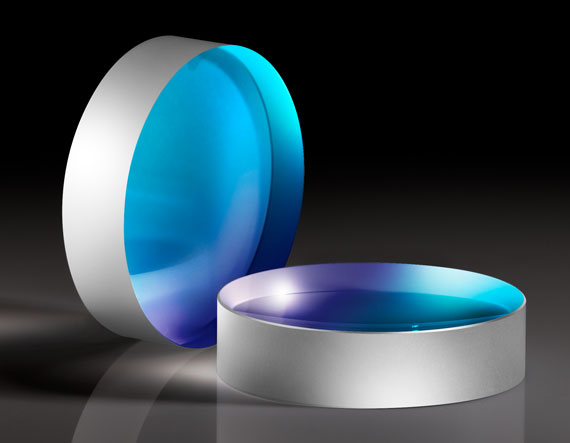
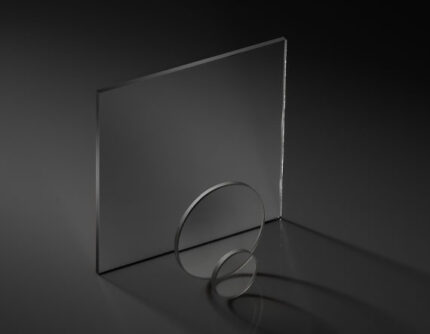
50.8mm Dia. x 100.0mm EFL, Uncoated, Concave Laser Mirror
Original price was: $313.60.$94.99Current price is: $94.99.
22
People watching this product now!
Description
Product Details Ideal for Focusing Laser Light >99.8% Reflectivity at Center Wavelength High Thermal Stability Fused Silica Substrates TECHSPEC Concave Laser Line Mirrors offer high precision 20-10 surface quality, λ/10 surface irregularity, and high reflectivity for focusing laser beams generated by Nd:YAG sources. Featuring high guaranteed laser induced damage thresholds, these dielectric coated laser mirrors are durable and resistant to laser damage. These concave mirrors are ideal for use with a 0-45° angle of incidence, providing flexibility for system integration into beam focusing, collecting, and imaging applications. TECHSPEC Concave Laser Line Mirrors feature fused silica substrates with excellent thermal and temporal stability, ensuring optimal performance regardless of temperature fluctuations. 266nm, 355nm, 532nm, and 1064nm laser line dielectric coatings are available. Specifications General Type: Concave Mirror Physical & Mechanical Properties Diameter (mm): 50.80 +0.00/-0.20 Center Thickness CT (mm): 8.30 Edge Thickness ET (mm): 10.00 ±0.20 Clear Aperture (%): 90 Back Surface: Fine Grind Optical Properties Effective Focal Length EFL (mm): 100.00 Substrate: Many glass manufacturers offer the same material characteristics under different trade names. Learn More Fused Silica (Corning 7980) Coating: Uncoated Surface Flatness (P-V): 0.15λ Angle of Incidence (°): 0-45 Radius R 1 (mm): 200.00 Surface Quality: 20-10 Irregularity (P-V) @ 632.8nm: 3λ/20 Radius of Curvature (mm): 200.00 Regulatory Compliance RoHS 2015: Compliant × Certificate of Conformance: View × Reach 253: Compliant ×