- 3D Cameras
- Allied Vision Cameras
- Basler Cameras
- Camera Accessories and Optomechanics
- Gigabit Ethernet Cameras
- High Speed Interface Cameras
- IDS Imaging Cameras
- Imaging Systems
- JAI Cameras
- Line Scan Cameras
- LUCID Vision Labs Cameras
- New Cameras
- NIR Cameras
- Pixelink Cameras
- Teledyne Dalsa Cameras
- Teledyne FLIR Cameras
- Teledyne Lumenera Microscopy Cameras
- Thermal Cameras
- USB Cameras
Sale
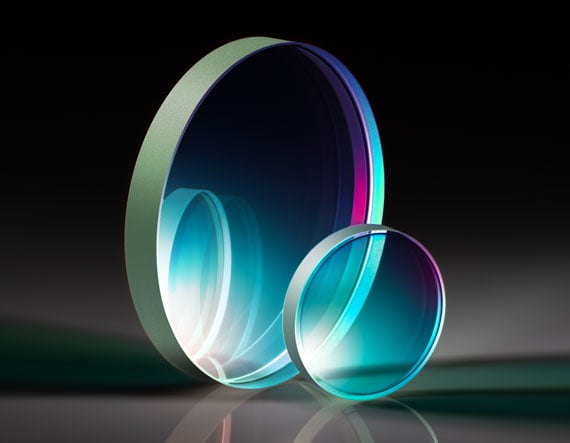

10mm Dia. 320 – 450nm Broadband λ/10 ZERODUR Mirror
Original price was: $226.80.$68.99Current price is: $68.99.
67
People watching this product now!
Description
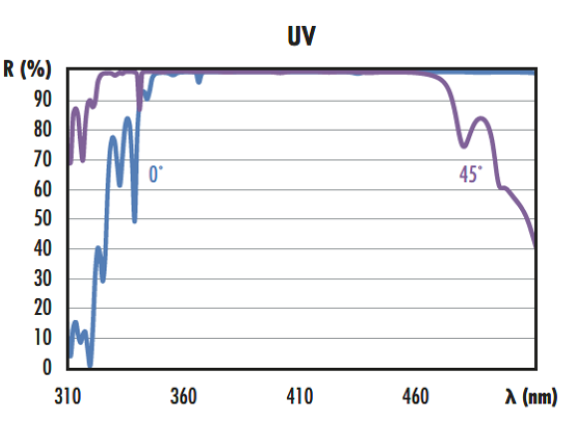
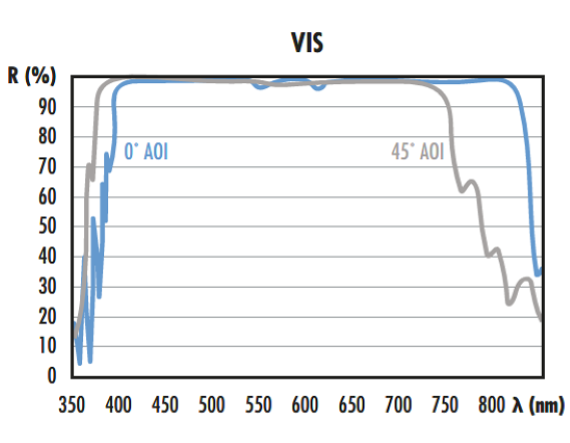
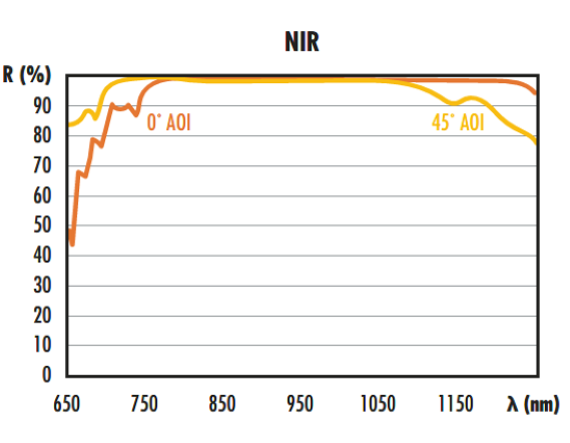
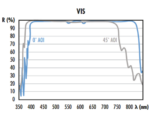
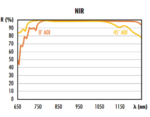
Product Details ZERODUR Substrates Provide Near Zero Thermal Expansion Enhanced Reflectivity and LDT over Metallic Coatings UV, Visible, and NIR Reflective Coatings Designed for 0-45° AOI Metallic Coated ZERODUR Mirrors Also Available TECHSPEC Broadband Dielectric ZERODUR λ/10 Mirrors combine high reflectivity over broad wavelength ranges with a near zero coefficient of thermal expansion (CTE) making them ideal for laser applications where temperature fluctuations could impact optical performance. The ZERODUR substrates have a coefficient of thermal expansion (CTE) of ±0.10 x 10⁻⁶/°C, which is an order of magnitude lower than most glass types, including fused silica. Featuring coatings designed for 0-45° AOI and >99% average reflectivity, these dielectric coated mirrors provide higher reflectivity than metal coated mirrors, increasing system throughput by minimizing energy loss. TECHSPEC Broadband Dielectric ZERODUR λ/10 Mirrors are ideal for beam steering and beam folding applications from the UV to NIR, including fluorescence microscopy , flow cytometry, and laser communications . Specifications General Type: Flat Mirror Physical & Mechanical Properties Diameter (mm): 10.00 +0.00/-0.20 Thickness (mm): 2.00 ±0.20 Clear Aperture (%): 90 Parallelism (arcsec): 30 Edges: Ground Back Surface: Commercial Polish Bevel: Protective as needed Optical Properties Substrate: Many glass manufacturers offer the same material characteristics under different trade names. Learn More ZERODUR Coating: Dielectric Mirror (320-450nm) Coating Type: Dielectric Coating Specification: R avg >98% @ 340 – 488nm (0°, All Polarizations) R avg >98% @ 320 – 450nm (45°, All Polarizations) R avg >99% @ 320 – 450nm (45°, S-Polarization) Wavelength Range (nm): 320 – 450 Surface Flatness (P-V): λ/10 Angle of Incidence (°): 0-45 Surface Quality: 20-10 Damage Threshold, By Design: Damage threshold for optical components varies by substrate material and coating. Click here to learn more about this specification. 0.5 J/cm 2 @ 355nm, 20ns, 20Hz Material Properties Coefficient of Thermal Expansion CTE (10 -6 /°C): 0.1 Regulatory Compliance Certificate of Conformance: View ×